-
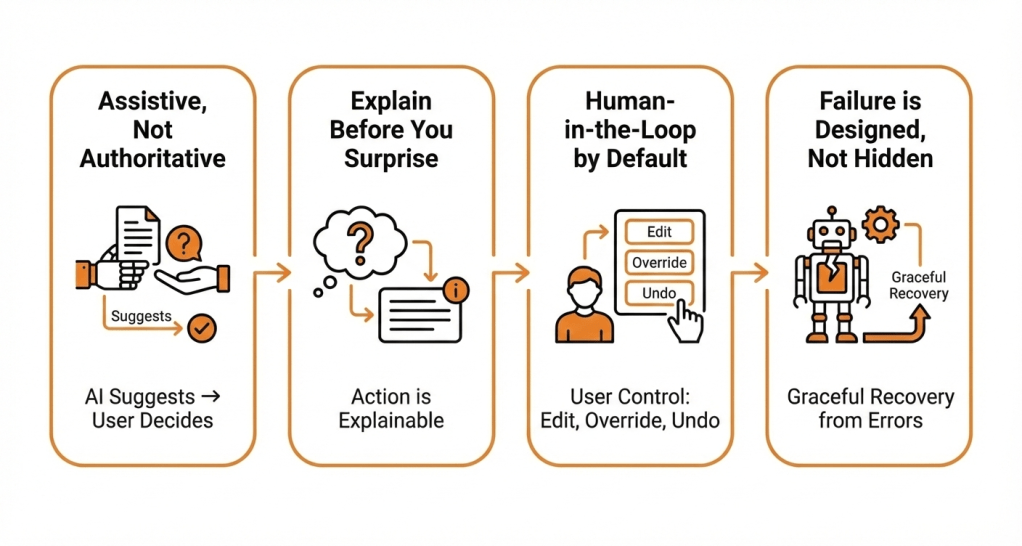
Four Key Principles for Designing Trustworthy AI
Designing Trust, Control, and Intelligence at Scale AIX is the design of artificial intelligence with a focus on creating human-centric design using data and AI. Designing how AI behaves visually and emotionally across products. Four Principles of designing AI with humans at the center
-
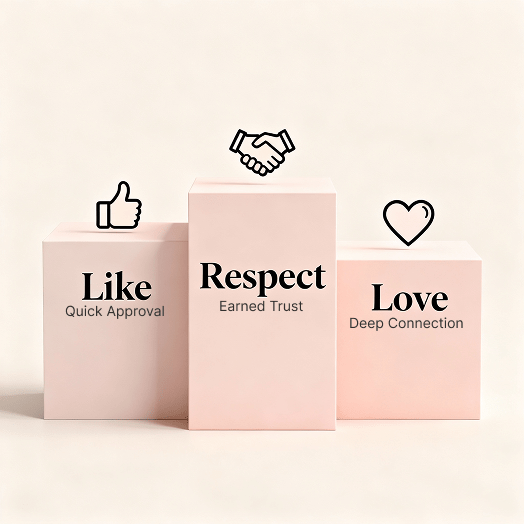
Why Respect Matters More Than Likes in Leadership
The passage emphasizes the distinction between being liked, respected, and loved as a leader. While likability may offer temporary satisfaction, true respect is earned through fairness and integrity. The example of Ratan Tata illustrates how authentic leadership fosters lasting respect and deep connections, ultimately leading to love, which transcends fleeting approvals.
-
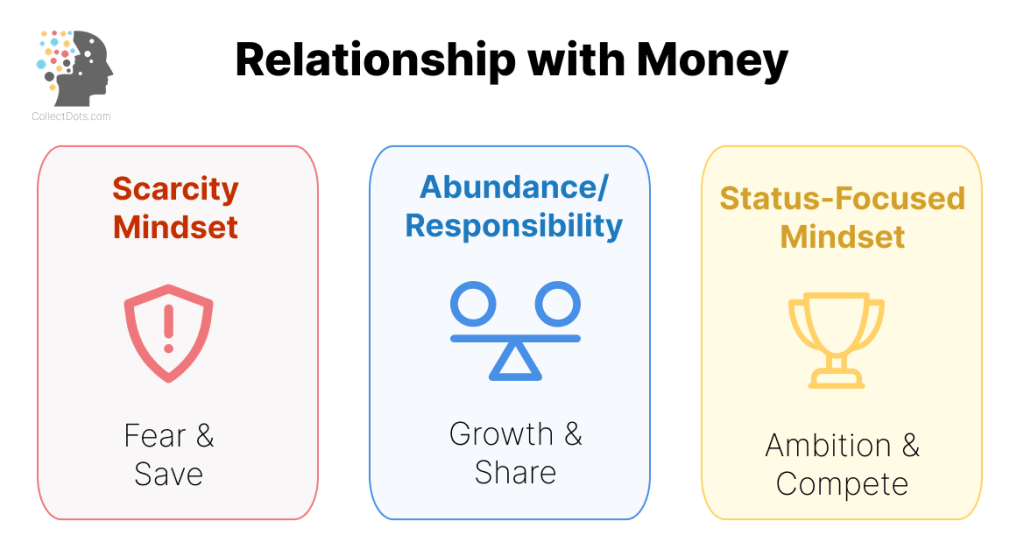
Understanding Money Relationships: Mindset Shapes Success
The way individuals perceive money profoundly influences their choices, behaviors, and relationships. There are three main money mindsets: scarcity, growth, and value-based. Each mindset affects psychological, behavioral, relational, and financial aspects, shaping habits and overall well-being. Understanding one’s dominant mindset is key to fostering healthier financial and relational dynamics.
-
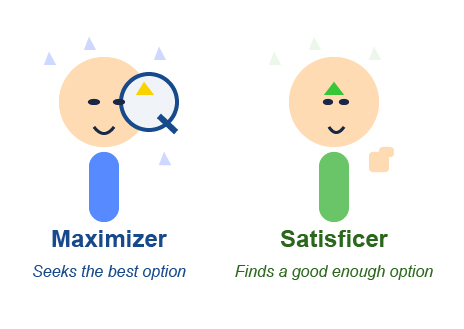
Maximizing Impact: The Balance Between Maximizers and Satisficers
Every professional faces two inner voices with each decision. One voice pushes for the best possible outcome. Another voice says, “this is good enough.” The art lies in knowing which to listen to. These two voices define two decision-making styles: it’s important to avoid getting stuck in endless analysis. Neither is better. But both, when…
-
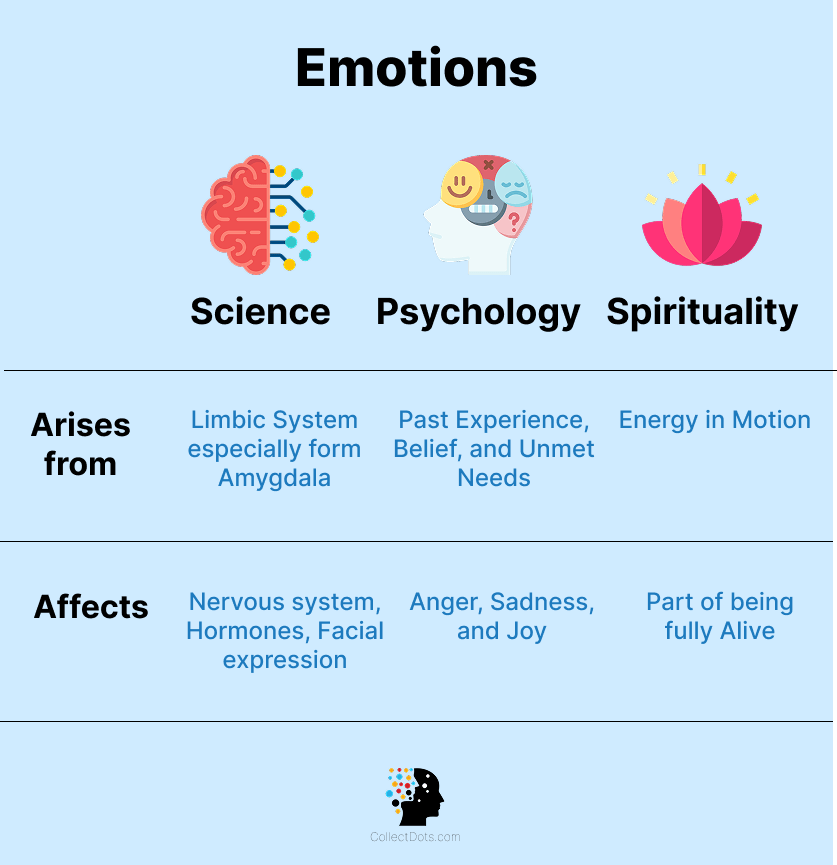
How Emotions Influence Creativity and Motivation
Emotions are more than just feelings. Science shows they are neurochemical signals guiding how we act. Psychology reveals how they shape our thoughts, creativity, and decisions. Spirituality helps us find meaning in them. Emotions quietly shape how we lead, create, and make decisions. They fuel motivation, spark fresh ideas, and build deeper connections. Emotion as…
-

Navigating Healthcare Misinformation on Social Media
Social media was once a platform to connect and share meaningful ideas. It is increasingly becoming a place where people produce content just to gain fame or attention. This often comes at the expense of truth. This trend becomes particularly dangerous when it involves healthcare misinformation. One recent example highlights this alarming issue. Navjot Singh…
-

Overcoming the Grass is Greener Syndrome
What I have in my hand is soil, but what I don’t have feels like gold. When I finally get that gold, I’ll be happy for a while. But soon, it will feel like soil, and I’ll start chasing something else I don’t have. This non-stop elusive cycle keeps on until one is taken to…
-
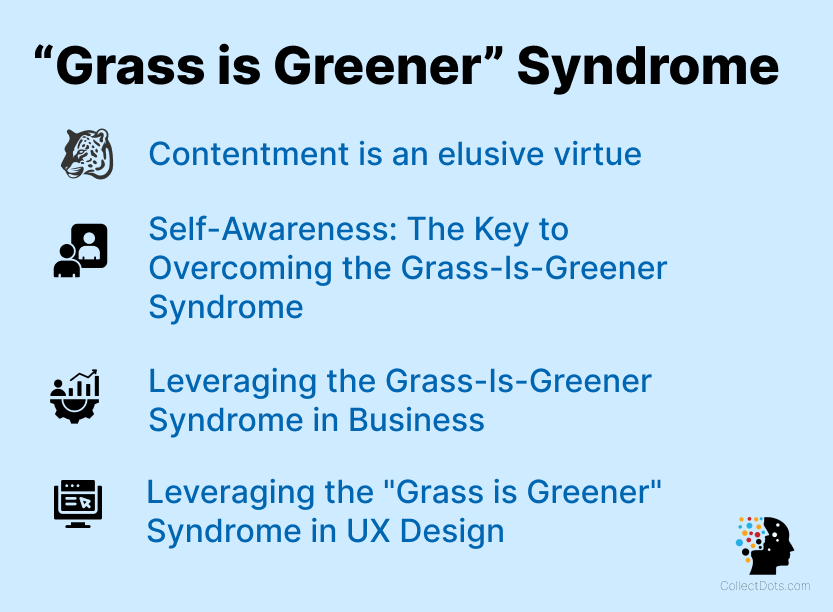
Harnessing the Grass Is Greener Syndrome for Business and UX
The “grass is greener” syndrome makes us chase what we don’t have, often ignoring what we already do. This endless cycle, fueled by dissatisfaction or external pressures. This syndrome grass is greener can be overcome positively. Leveraging the Grass-Is-Greener Syndrome in Business This natural human tendency can be harnessed to attract customers by suggesting that…
-

Harnessing Confirmation Bias for Better Decision-Making
Our emotions greatly influence our thoughts and decisions, often revolving around the desire for pleasure and avoidance of pain. This drive is a major source of mental biases. These biases can be harnessed for better decisions. This applies whether in designing products or making personal and professional choices. Understanding Confirmation Bias Confirmation Bias is the…
-

Bridging the Planning-Action Gap in Design
Design typically includes researching and planning, which are crucial parts of the process. But, having good ideas and careful planning alone is not enough. Optimal failures are rapid, inexpensive, and early. Innovation is about swiftly putting ideas into action. Waiting for a flawless plan or forecast can take a very long time. Simply having a…
Gopal Juneja
Collecting diverse dots to spark meaningful change
A curious mind exploring how psychology, emotion, and daily experiences shape how we think, create, and connect. I reflect on what drives human behavior and blend insights from psychology, leadership, and creativity to spark deeper understanding.

 Collect Dots