Have you ever looked at a product and instantly felt the urge to explore or buy it? In today’s digital world, with countless apps and websites, only a few manage to grab our attention right away. But why?
How does it happen?
It takes just 50 milliseconds for a user to form a first impression of a website. User experience begins even before a click or a read. It’s based on the emotional reaction to the design. Unfortunately, emotions in design are often overlooked, which leads to failure.
For any product—digital or physical—users generate a positive or negative emotional response in a split second.
The Three Levels of User Experience
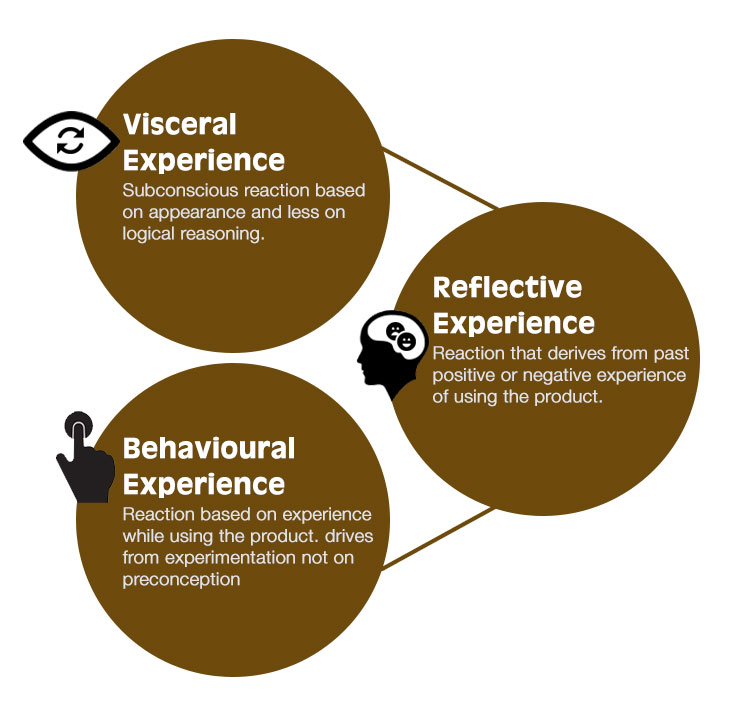
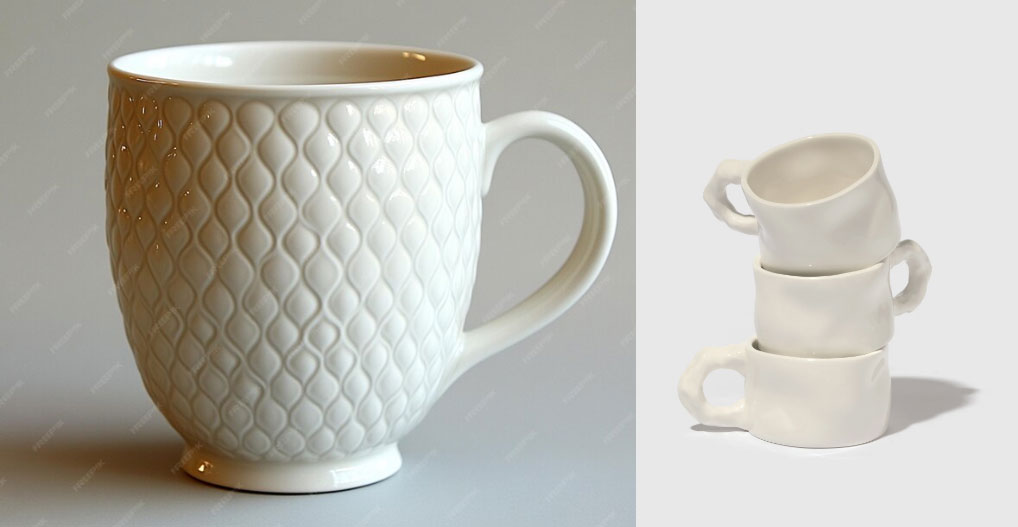
- Visceral: This is the first, immediate response, triggering emotions like love or desire for the product. It may remind the user of a smell, feel, or appearance tied to a positive past experience. This response is less logical and more subconscious, driven by the product’s appearance.
- Behavioral: This is formed during the actual use of the product. Whether the experience is positive or negative depends on how easy and enjoyable the product is to use. At this level, if the product makes the user feel smart and engaged, it leaves a positive impression.
- Reflective: This level happens after the user has used the product. When a user leaves the website or app, can they easily recall and describe the experience? If yes, it’s a sign of a positive experience, and the user is likely to return.

Combining All Three Levels
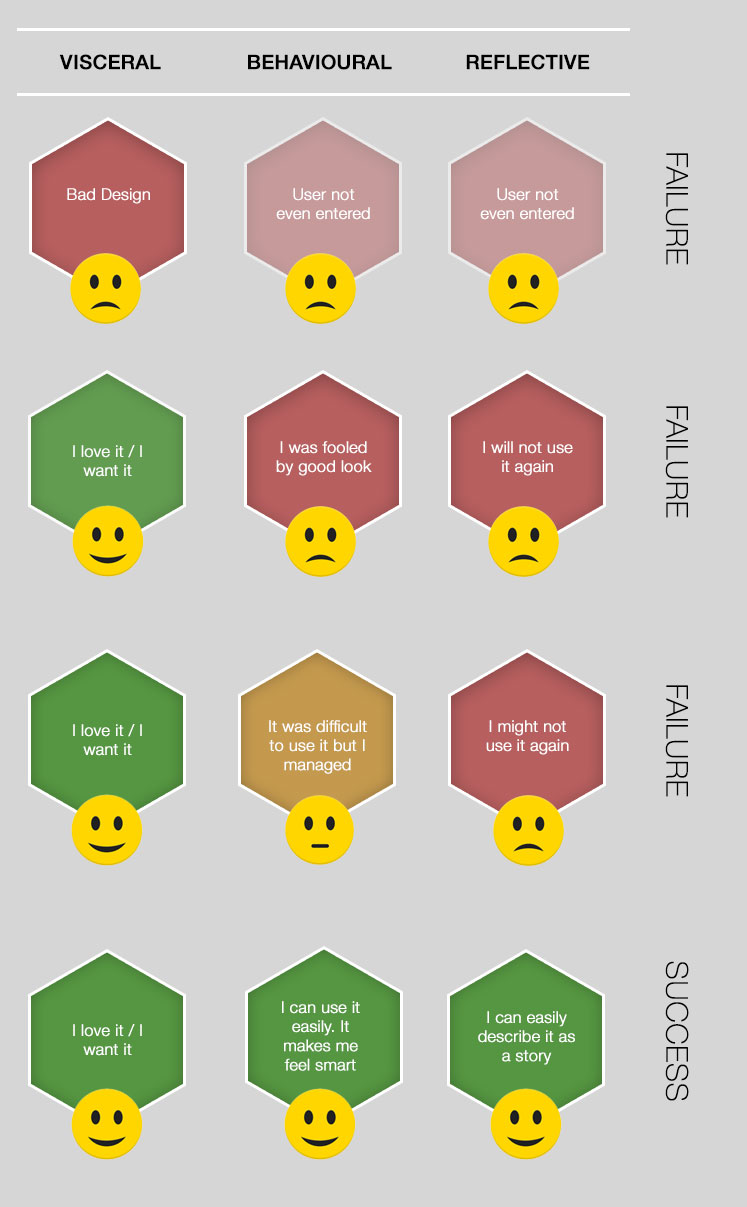
Visceral design captures attention, behavioral design keeps the user engaged, and reflective design ensures lasting impact. Together, these three levels create an emotional journey that minimizes pain points and maximizes satisfaction. Neglecting emotions at any stage can lead to failure.

 Collect Dots
Leave a comment