Author: Gopal Juneja
-
Bridging the Planning-Action Gap in Design
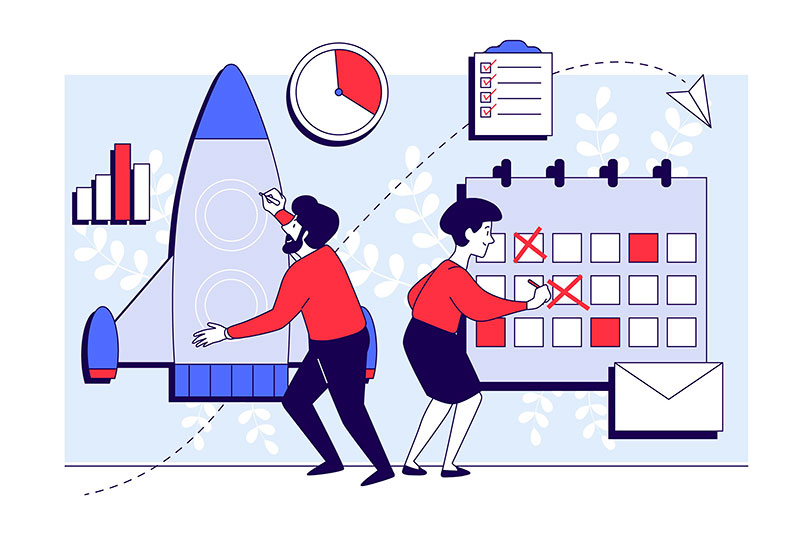
Design typically includes researching and planning, which are crucial parts of the process. But, having good ideas and careful planning alone is not enough. Optimal failures are rapid, inexpensive, and early. Innovation is about swiftly putting ideas into action. Waiting for a flawless plan or forecast can take a very long time. Simply having a…
-
Understanding the Three Levels of User Experience
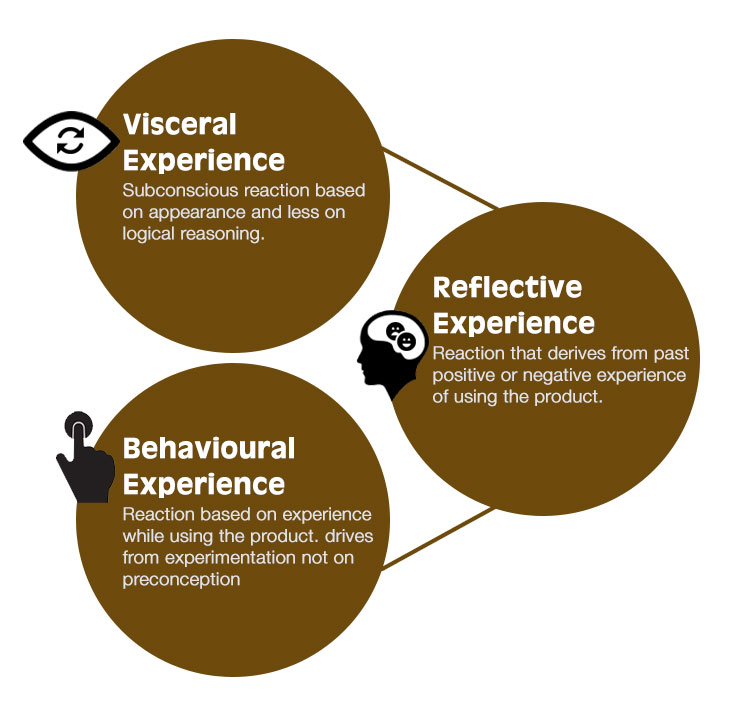
Have you ever looked at a product and instantly felt the urge to explore or buy it? In today’s digital world, with countless apps and websites, only a few manage to grab our attention right away. But why? How does it happen? It takes just 50 milliseconds for a user to form a first impression…
-

Design Solutions: Balancing Creativity and Feasibility
Involving developers throughout the process is important. Designers come up with the solutions. Developers can check if they are doable. A good idea is useless if it can’t be done in time, within budget, or with the available resources. Should designers avoid suggesting foolproof solutions? Split the solutions into two parts. Example 1. Details out…
-

Identifying features that have a significant impact
Differentiation is crucial for distinguishing a product from its competitors. Features set the product apart. They deliver benefits and value to users. As a result, users often choose it over other market options. They are also more inclined to pay a premium for it. Focus on benefits and values rather than just features. Benefits Values…
-

Effective Access Control Strategies for Enterprise Apps
Designing access control (permissions) for an enterprise app is pivotal. These applications keep evolving as the company grows. Being a designer understanding the access control helps to design user management screens. I am sharing some concepts and ideas based on my long experience in designing SaaS applications. ACL (Access Control List) It is a permission-based…
-

How Peripheral Vision Guides User Focus
The brain guides the eye to look from one place to another. Peripheral vision assists in this process. It attracts the foveal (central) vision, “where to look”. Peripheral vision can’t get detailed information like color, size and shape, but it has strength like movement, contrast and sound. A designer can engage user by using these strengths of…
-

How Habit-Forming Technologies Work
A quick book summary of Hooked model by NIR EYAL Four phases of Hook Model Vitamin versus painkiller Habit-forming technologies are both. Services at first offer nice-to-have vitamins, but once the habit is established they prove an ongoing pain remedy. Example Phases Impact Trigger is the behavior stimulus guiding the users to take a desired action.1.…
-
Maximizing User Experience Through Performance Testing
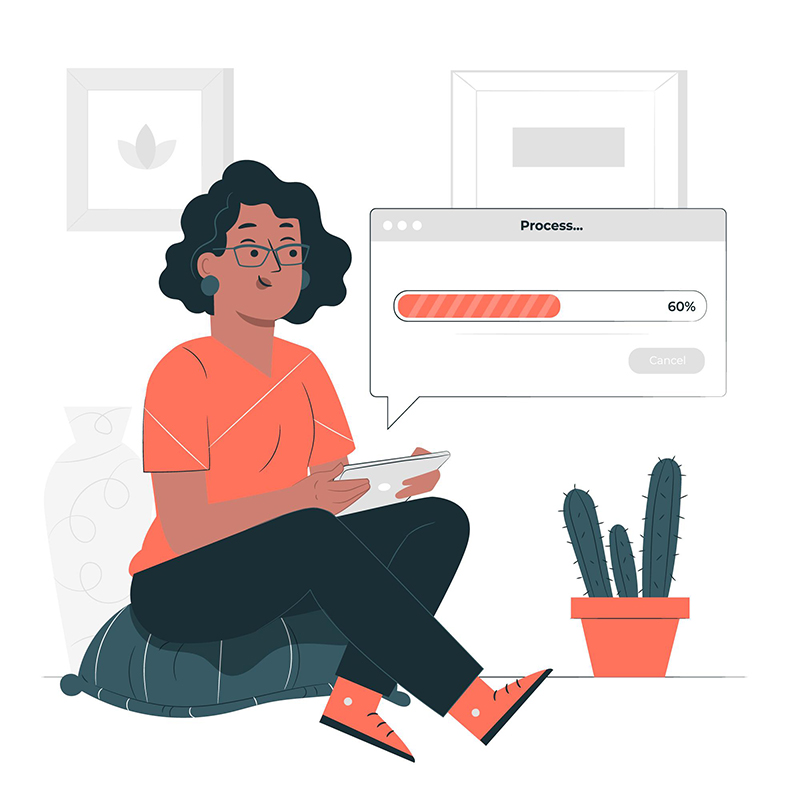
Designer’s role does not end at UX conceptualization, it actually should be on peak from there. Performance is one of the most essential parts of design. It plays a vital role in making products addictive. It also ensures a good user experience. Along with formative and summative usability testing, there should be dedicated performance testing of…
-
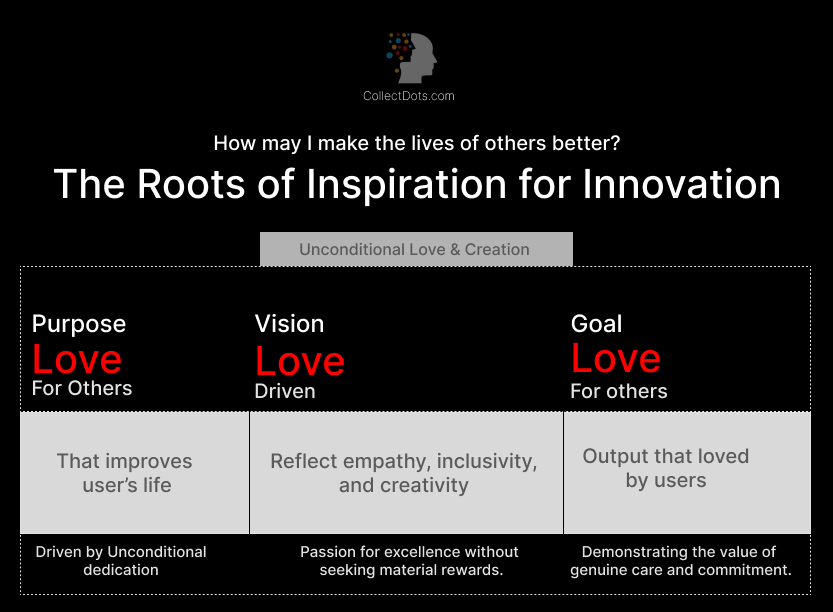
True Success in Design: Love and Purpose
—
by
A designer always strives to add value to the design community, society, and the lives of users through empathy. Those who believe in giving and adding value to others’ lives are true altruists. It sounds funny to call designers altruists since design is a profession. But for some, design is more than just a job—it’s…
-
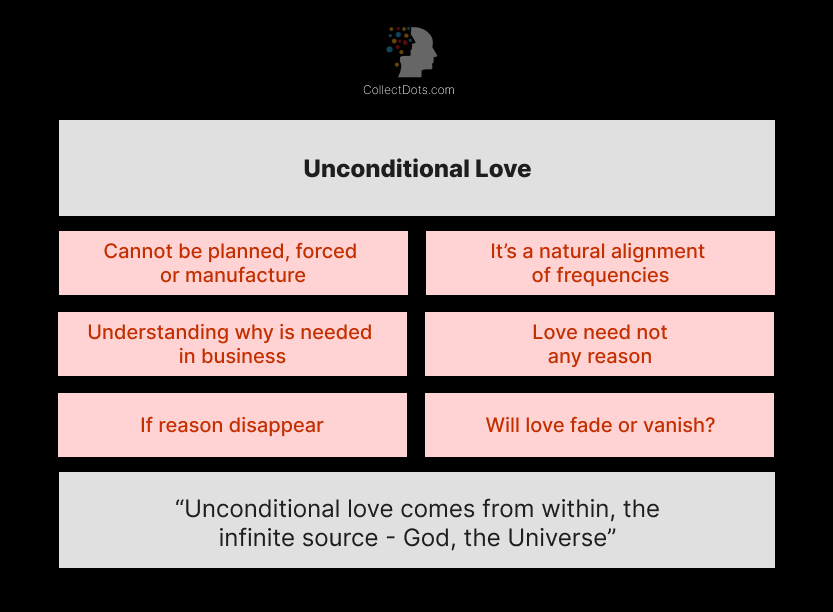
Understanding Unconditional Love: The True Connection
Unconditional love can’t be planned, forced, or manufactured. It’s a natural alignment of frequencies where two souls connect effortlessly and without reason. In business, understanding the “why” is crucial, but in love, having a reason makes it conditional and no longer unconditional. If someone asks you, “Why do you love your partner?” and you can’t…
 Collect Dots