Category: Design Leadership
-
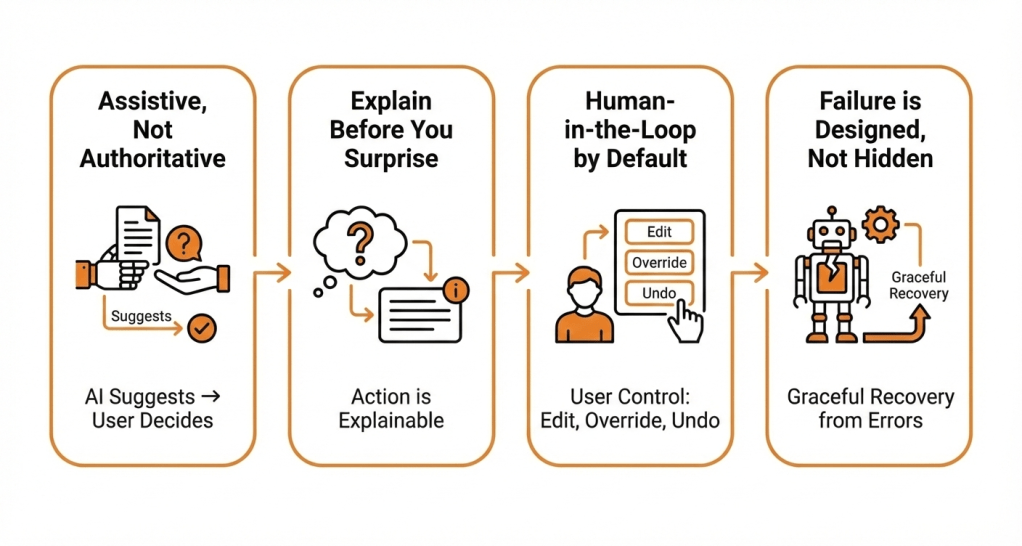
Four Key Principles for Designing Trustworthy AI
Designing Trust, Control, and Intelligence at Scale AIX is the design of artificial intelligence with a focus on creating human-centric design using data and AI. Designing how AI behaves visually and emotionally across products. Four Principles of designing AI with humans at the center
-
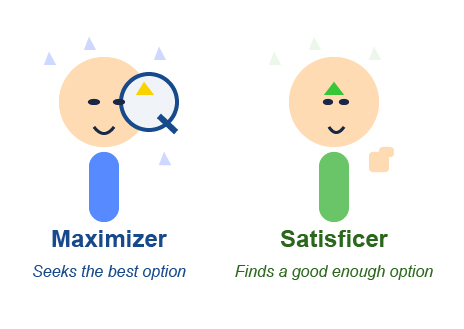
Maximizing Impact: The Balance Between Maximizers and Satisficers
Every professional faces two inner voices with each decision. One voice pushes for the best possible outcome. Another voice says, “this is good enough.” The art lies in knowing which to listen to. These two voices define two decision-making styles: it’s important to avoid getting stuck in endless analysis. Neither is better. But both, when…
-
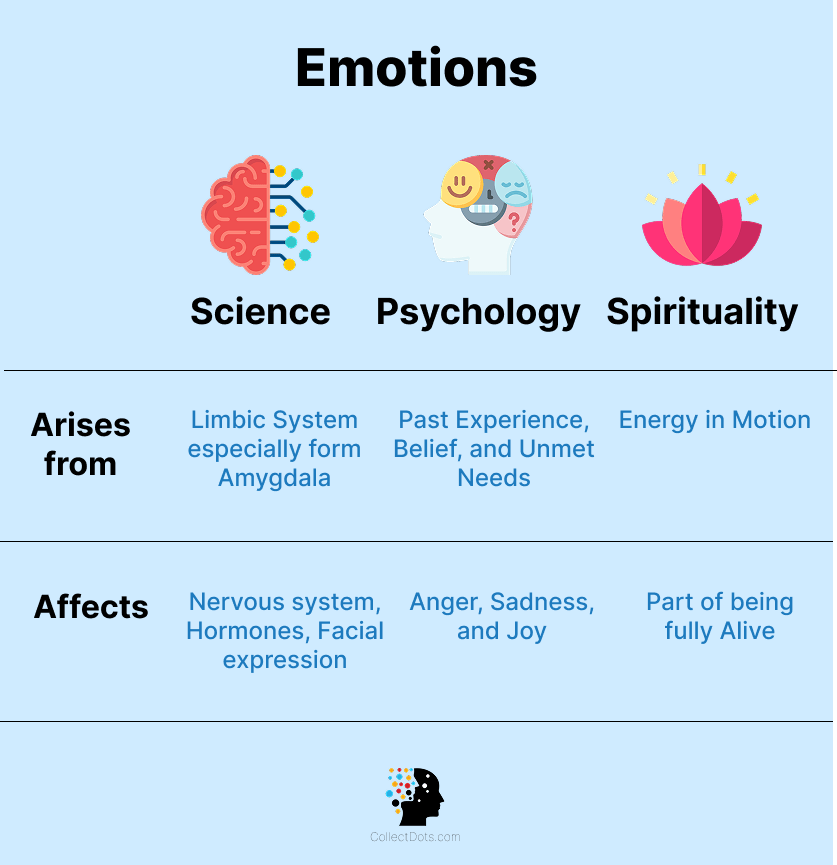
How Emotions Influence Creativity and Motivation
—
by
Emotions are more than just feelings. Science shows they are neurochemical signals guiding how we act. Psychology reveals how they shape our thoughts, creativity, and decisions. Spirituality helps us find meaning in them. Emotions quietly shape how we lead, create, and make decisions. They fuel motivation, spark fresh ideas, and build deeper connections. Emotion as…
-

Bridging the Planning-Action Gap in Design
Design typically includes researching and planning, which are crucial parts of the process. But, having good ideas and careful planning alone is not enough. Optimal failures are rapid, inexpensive, and early. Innovation is about swiftly putting ideas into action. Waiting for a flawless plan or forecast can take a very long time. Simply having a…
-
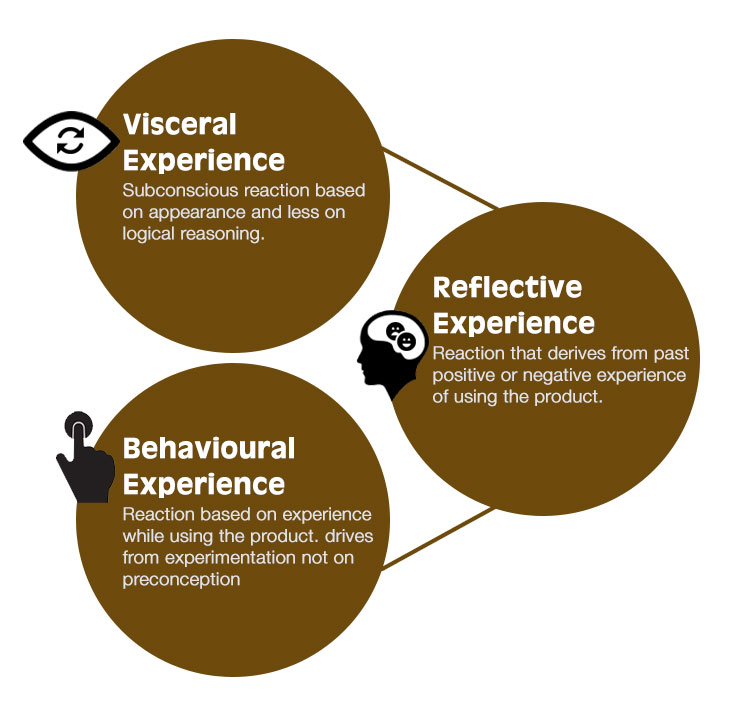
Understanding the Three Levels of User Experience
Have you ever looked at a product and instantly felt the urge to explore or buy it? In today’s digital world, with countless apps and websites, only a few manage to grab our attention right away. But why? How does it happen? It takes just 50 milliseconds for a user to form a first impression…
-

Design Solutions: Balancing Creativity and Feasibility
Involving developers throughout the process is important. Designers come up with the solutions. Developers can check if they are doable. A good idea is useless if it can’t be done in time, within budget, or with the available resources. Should designers avoid suggesting foolproof solutions? Split the solutions into two parts. Example 1. Details out…
-

How Habit-Forming Technologies Work
A quick book summary of Hooked model by NIR EYAL Four phases of Hook Model Vitamin versus painkiller Habit-forming technologies are both. Services at first offer nice-to-have vitamins, but once the habit is established they prove an ongoing pain remedy. Example Phases Impact Trigger is the behavior stimulus guiding the users to take a desired action.1.…
-
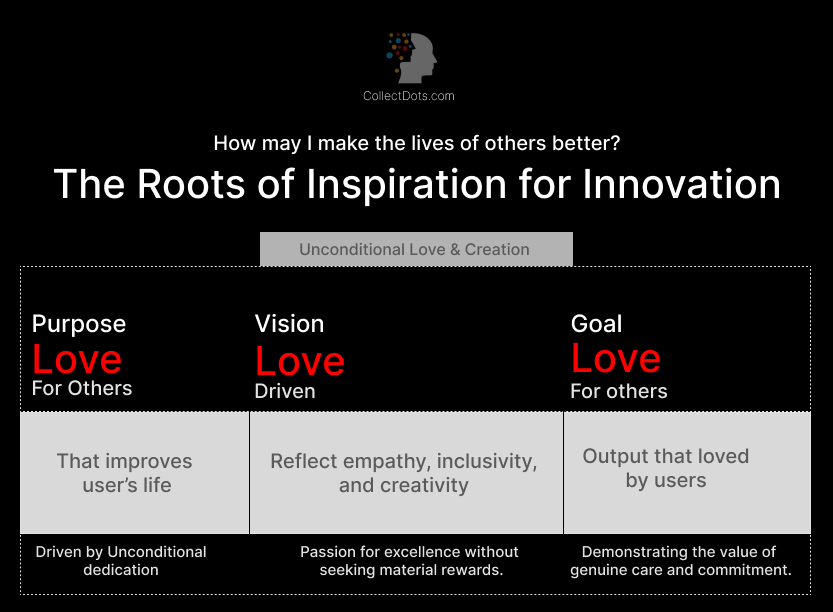
True Success in Design: Love and Purpose
—
by
A designer always strives to add value to the design community, society, and the lives of users through empathy. Those who believe in giving and adding value to others’ lives are true altruists. It sounds funny to call designers altruists since design is a profession. But for some, design is more than just a job—it’s…
-

The Importance of Creative Strategy in Business Design
Without a clear strategy, companies can’t stand out. They can’t recognize their unique value. This leads to a loss of competitive advantage and potential failure. In the book “Creative Strategy and the Business of Design,” author Douglas Davis clearly articulated. He highlighted the importance of integrating strategy into creativity for business design. He addresses various audiences in…
-

Delivering Brand Promises: The Role of Design
Advertising creates expectations by promoting a product’s value, while user experience (UX) delivers on those promises through real interactions. A strong connection between the two builds trust and loyalty, ensuring that what’s advertised matches the actual experience. Brands communicate their value to consumers through promises and designers bring these promises to life through experience. Advertising…
 Collect Dots