Category: Leadership
-
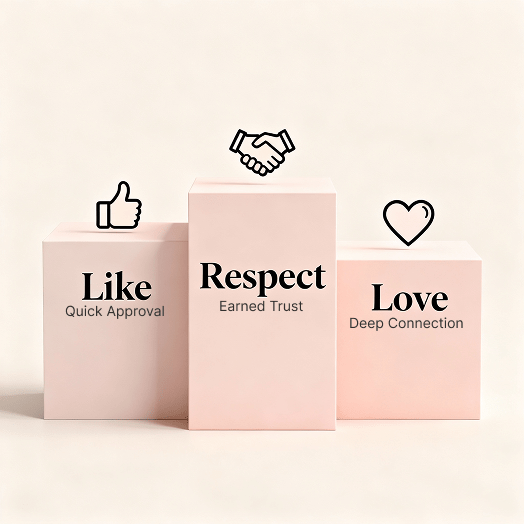
Why Respect Matters More Than Likes
The passage emphasizes the distinction between being liked, respected, and loved as a leader. While likability may offer temporary satisfaction, true respect is earned through fairness and integrity. The example of Ratan Tata illustrates how authentic leadership fosters lasting respect and deep connections, ultimately leading to love, which transcends fleeting approvals.
-
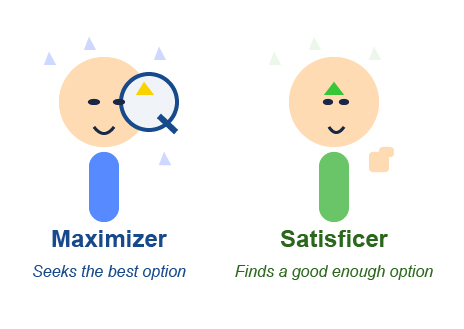
Maximizing Impact: The Balance Between Maximizers and Satisficers
Every professional faces two inner voices with each decision. One voice pushes for the best possible outcome. Another voice says, “this is good enough.” The art lies in knowing which to listen to. These two voices define two decision-making styles: it’s important to avoid getting stuck in endless analysis. Neither is better. But both, when…
-
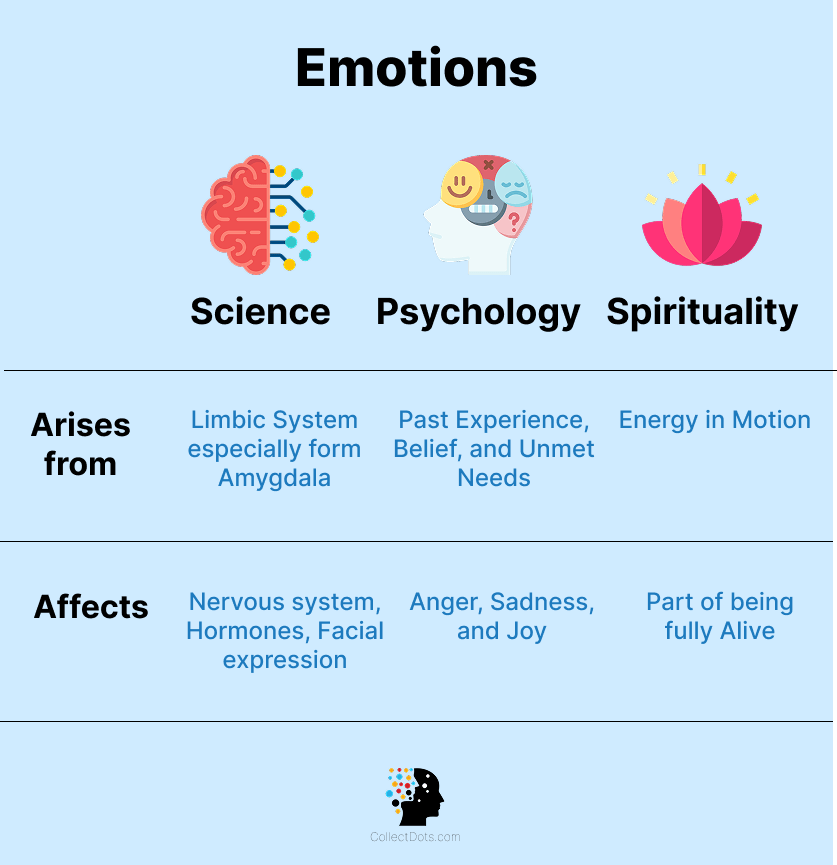
How Emotions Influence Creativity and Motivation
—
by
Emotions are more than just feelings. Science shows they are neurochemical signals guiding how we act. Psychology reveals how they shape our thoughts, creativity, and decisions. Spirituality helps us find meaning in them. Emotions quietly shape how we lead, create, and make decisions. They fuel motivation, spark fresh ideas, and build deeper connections. Emotion as…
-

The Importance of Creative Strategy in Business Design
Without a clear strategy, companies can’t stand out. They can’t recognize their unique value. This leads to a loss of competitive advantage and potential failure. In the book “Creative Strategy and the Business of Design,” author Douglas Davis clearly articulated. He highlighted the importance of integrating strategy into creativity for business design. He addresses various audiences in…
-

Delivering Brand Promises: The Role of Design
Advertising creates expectations by promoting a product’s value, while user experience (UX) delivers on those promises through real interactions. A strong connection between the two builds trust and loyalty, ensuring that what’s advertised matches the actual experience. Brands communicate their value to consumers through promises and designers bring these promises to life through experience. Advertising…
-
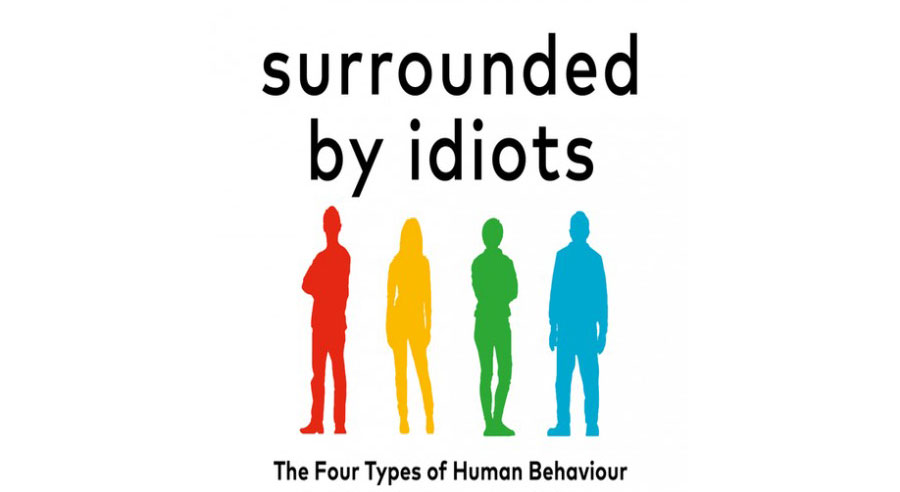
Understanding Personality Types: Lessons from ‘Surrounded by Idiots’
Have you ever felt surrounded by idiots? The truth is the person you consider an idiot likely thinks the same of you. To someone else, you be the idiot. Book name “Surrounded by idiots” written by Thomas Erikson delves into this dynamic brilliantly. It explains various personality types, whether in personal relationships or professional settings. This includes…
 Collect Dots