Tag: User Experience
-
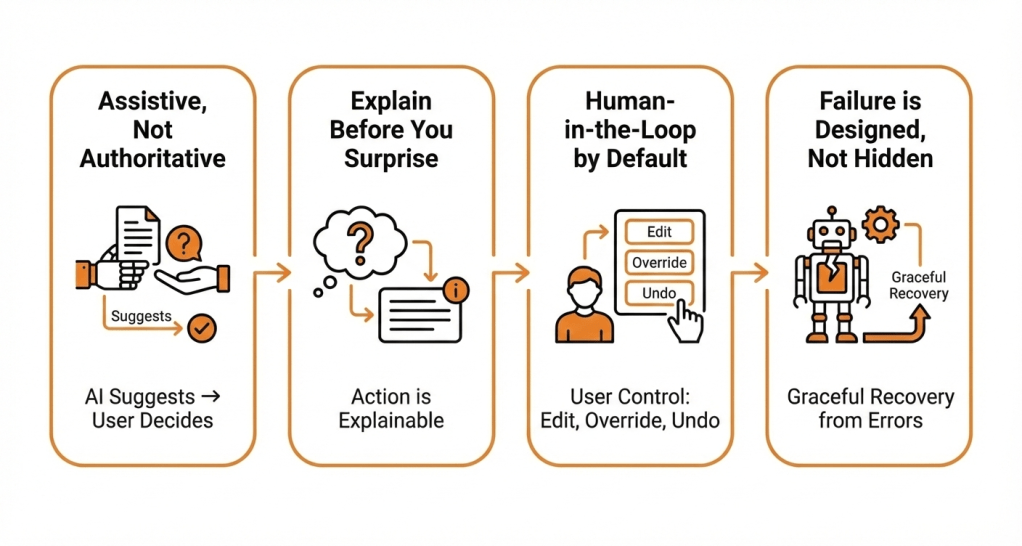
Four Key Principles for Designing Trustworthy AI
Designing Trust, Control, and Intelligence at Scale AIX is the design of artificial intelligence with a focus on creating human-centric design using data and AI. Designing how AI behaves visually and emotionally across products. Four Principles of designing AI with humans at the center
-
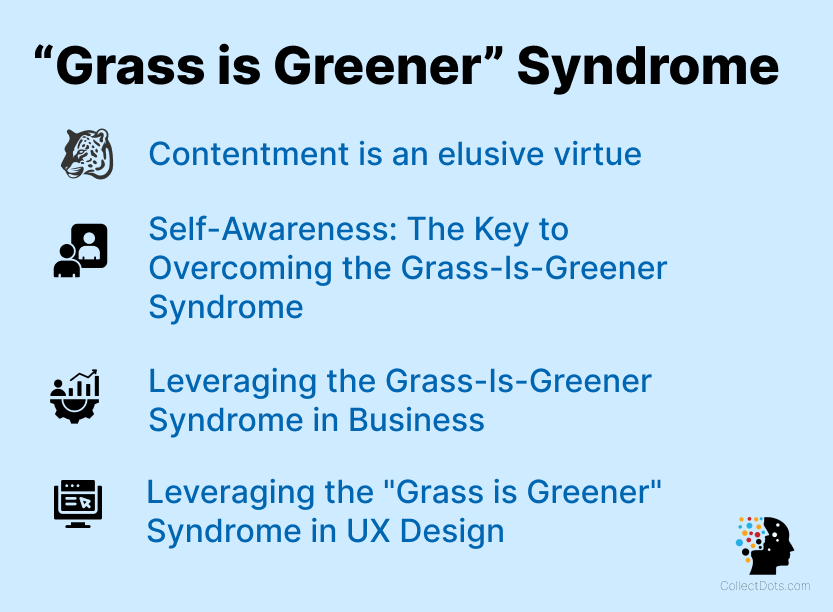
Harnessing the Grass Is Greener Syndrome for Business and UX
The “grass is greener” syndrome makes us chase what we don’t have, often ignoring what we already do. This endless cycle, fueled by dissatisfaction or external pressures. This syndrome grass is greener can be overcome positively. Leveraging the Grass-Is-Greener Syndrome in Business This natural human tendency can be harnessed to attract customers by suggesting that…
-

Harnessing Confirmation Bias for Better Decision-Making
Our emotions greatly influence our thoughts and decisions, often revolving around the desire for pleasure and avoidance of pain. This drive is a major source of mental biases. These biases can be harnessed for better decisions. This applies whether in designing products or making personal and professional choices. Understanding Confirmation Bias Confirmation Bias is the…
-
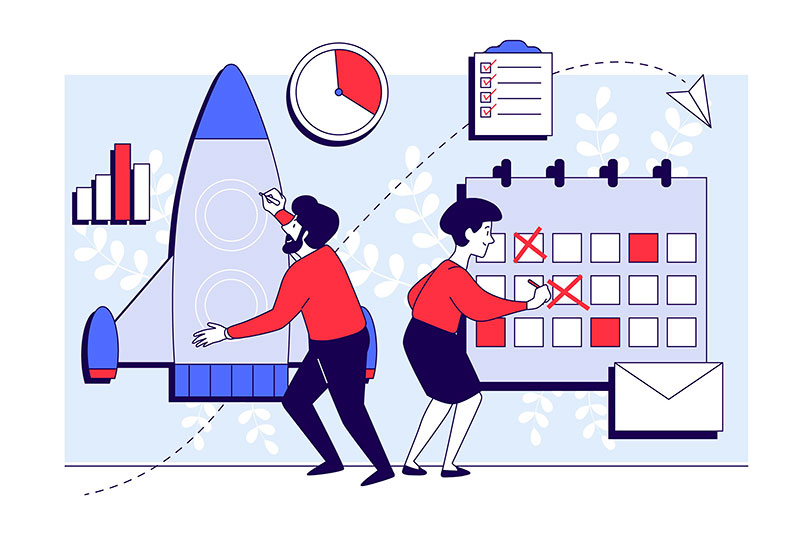
Bridging the Planning-Action Gap in Design
Design typically includes researching and planning, which are crucial parts of the process. But, having good ideas and careful planning alone is not enough. Optimal failures are rapid, inexpensive, and early. Innovation is about swiftly putting ideas into action. Waiting for a flawless plan or forecast can take a very long time. Simply having a…
-
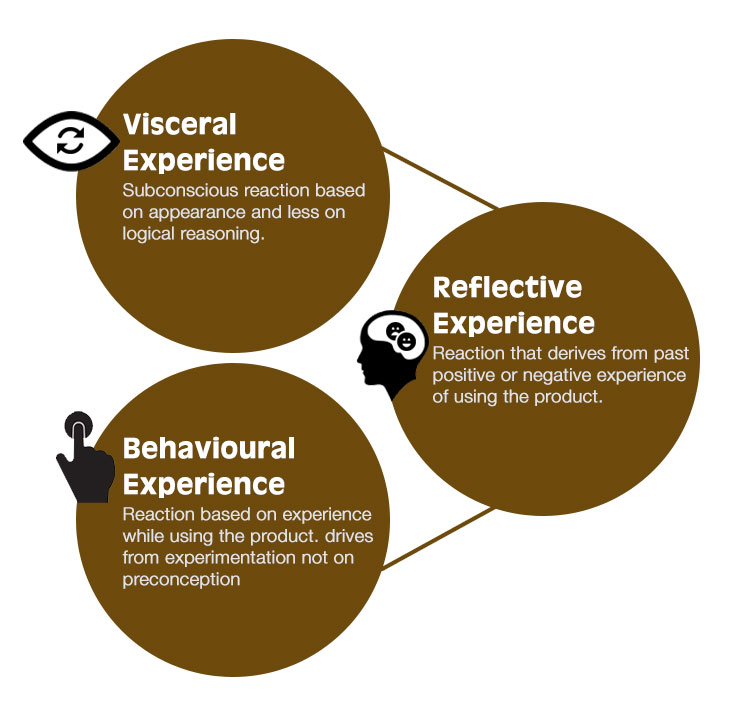
Understanding the Three Levels of User Experience
Have you ever looked at a product and instantly felt the urge to explore or buy it? In today’s digital world, with countless apps and websites, only a few manage to grab our attention right away. But why? How does it happen? It takes just 50 milliseconds for a user to form a first impression…
-

Design Solutions: Balancing Creativity and Feasibility
Involving developers throughout the process is important. Designers come up with the solutions. Developers can check if they are doable. A good idea is useless if it can’t be done in time, within budget, or with the available resources. Should designers avoid suggesting foolproof solutions? Split the solutions into two parts. Example 1. Details out…
-

Identifying features that have a significant impact
Differentiation is crucial for distinguishing a product from its competitors. Features set the product apart. They deliver benefits and value to users. As a result, users often choose it over other market options. They are also more inclined to pay a premium for it. Focus on benefits and values rather than just features. Benefits Values…
-

Effective Access Control Strategies for Enterprise Apps
Designing access control (permissions) for an enterprise app is pivotal. These applications keep evolving as the company grows. Being a designer understanding the access control helps to design user management screens. I am sharing some concepts and ideas based on my long experience in designing SaaS applications. ACL (Access Control List) It is a permission-based…
-

How Peripheral Vision Guides User Focus
The brain guides the eye to look from one place to another. Peripheral vision assists in this process. It attracts the foveal (central) vision, “where to look”. Peripheral vision can’t get detailed information like color, size and shape, but it has strength like movement, contrast and sound. A designer can engage user by using these strengths of…
-

How Habit-Forming Technologies Work
A quick book summary of Hooked model by NIR EYAL Four phases of Hook Model Vitamin versus painkiller Habit-forming technologies are both. Services at first offer nice-to-have vitamins, but once the habit is established they prove an ongoing pain remedy. Example Phases Impact Trigger is the behavior stimulus guiding the users to take a desired action.1.…
 Collect Dots